

Talk with Ági Faludi, Holocaust survivor from Győr
I spoke to Ági by phone in last December and we met in person early January 2025. Almost the first thing she said was "... but I am not from Győr!". However, neither she nor I consider this to be an authoritative statement, since Ági spent most of her childhood and youth, 25 years with her family in Győr, which was so decisive for her later life. It was there that we met first 70 years ago.
When and where were you born, Ági? Tell us about your parents!
I was born in Budapest in 1942.
My mum (Aranka Grünbaum, 1914-2003) was from Nógrád County, one of his ascendants had sixteen (!) children. All my great-grandfather’s children were brought to school. We also had relatives in Slovakia. My grandmother kept a kosher household, and her family, like her ancestors, followed the Orthodox religious line. Her husband, my maternal grandfather, worked as a warehouse keeper.

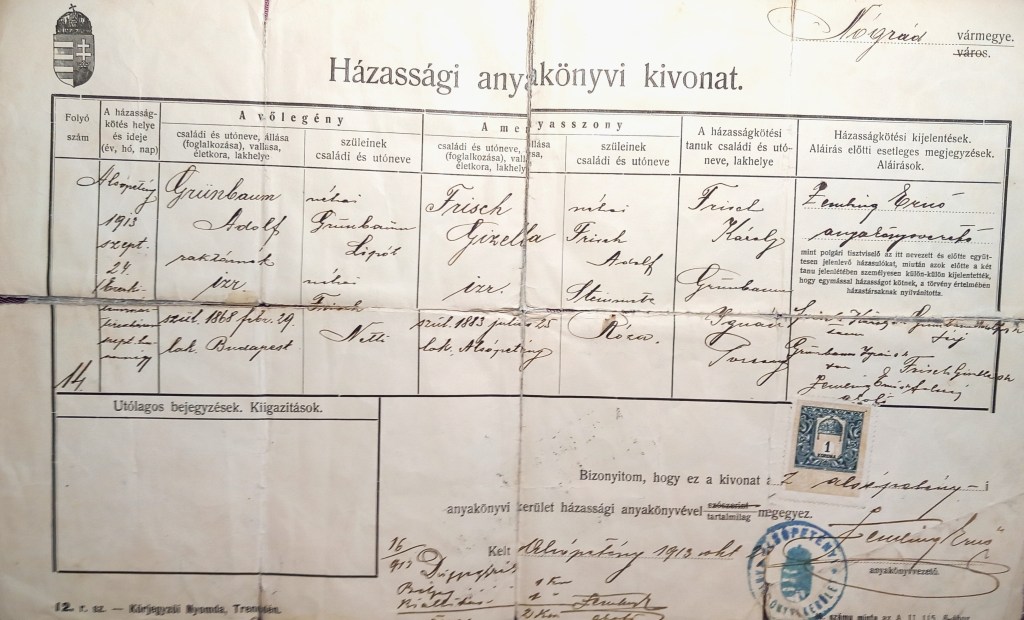
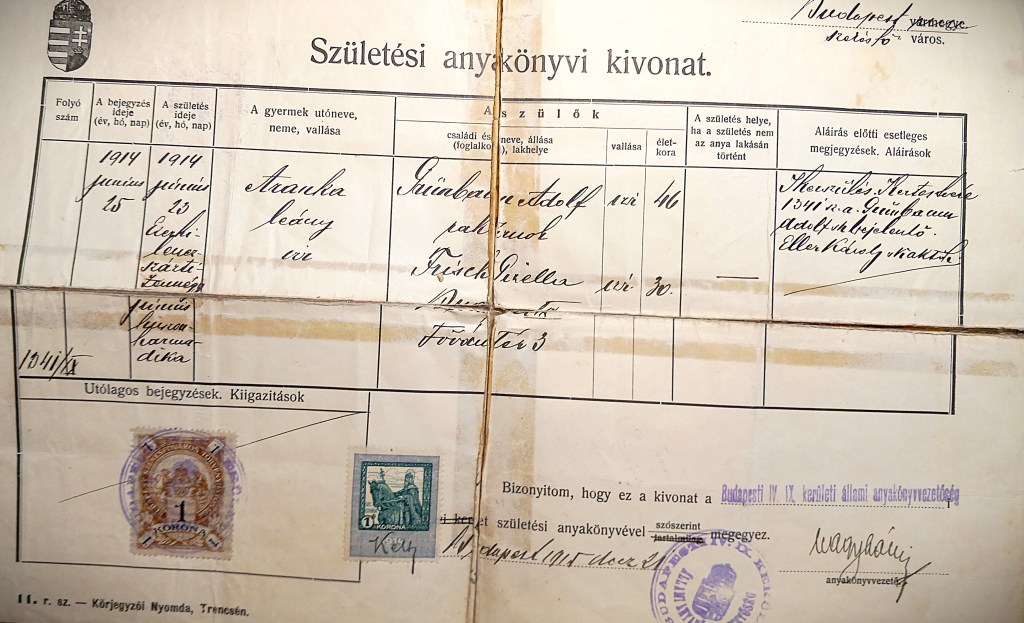
From their marriage, my mother was born already in Budapest, on 21 December 1915. She had one brother, György.

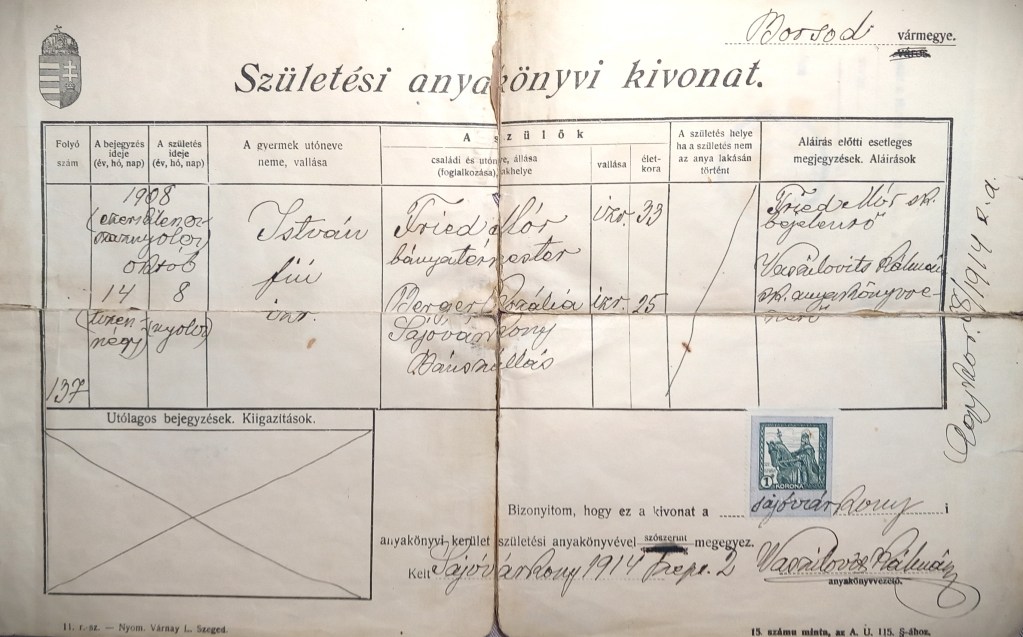
On the paternal side the family lived in Borsod County. Grandfather was a mining foreman, died early. My father István Faludi (Fried) Faludi was born in Sajóvárkony in 1908, he had one brother, György, who got a significant position in the Nyírbátor distillery after the war.

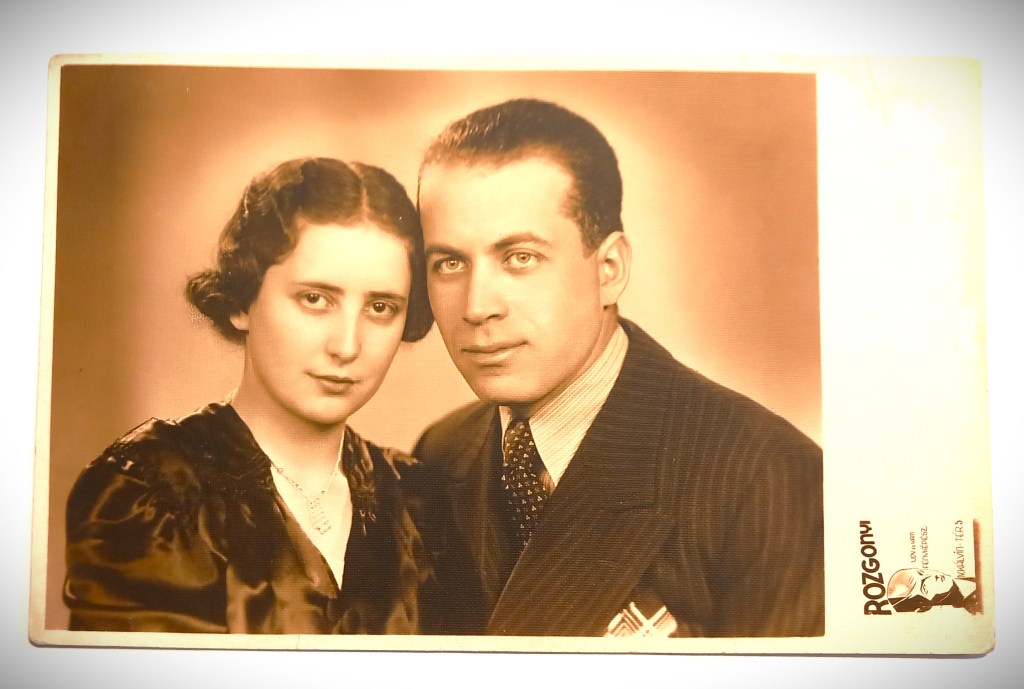
My parents were handsome people. According to family legend, my mother’s beauty touched the poet Attila József on one occasion when they met. Mother and father were married in Budapest in 1939. Times were already hard by then. As I was born in 1942, so I will be 83 this year.

What happened to you during the Holocaust?
When fascism was advancing in Europe, there were still illusions and hopes in our family. This is evidenced by my mother’s “letter to Mussolini”, which she never posted, from 1933.

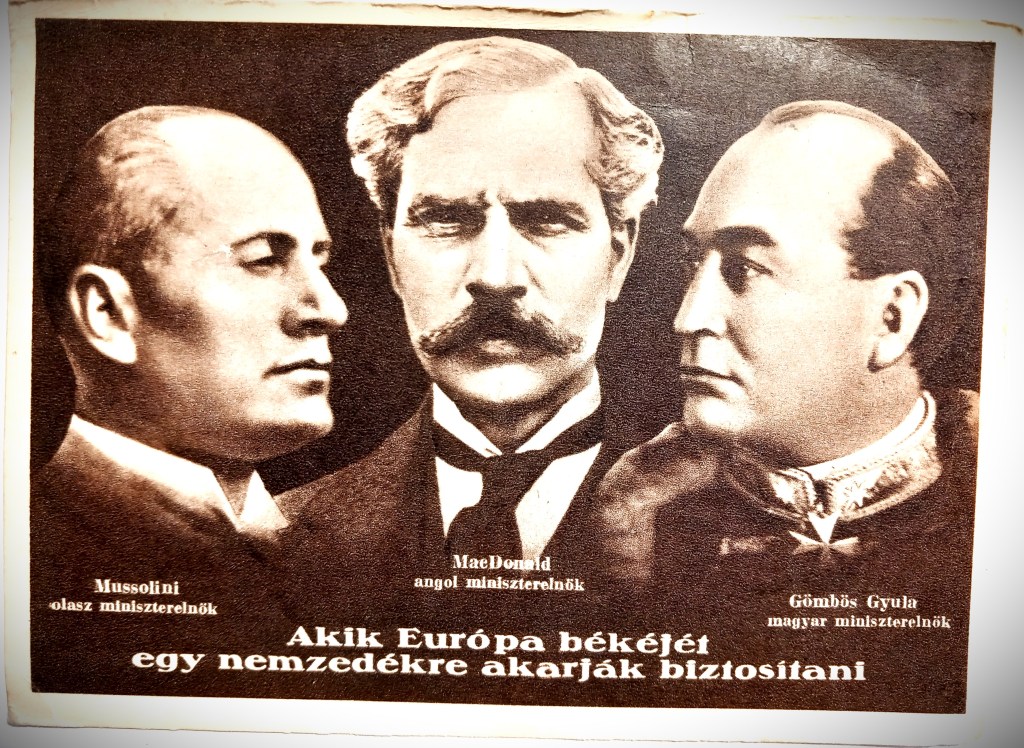

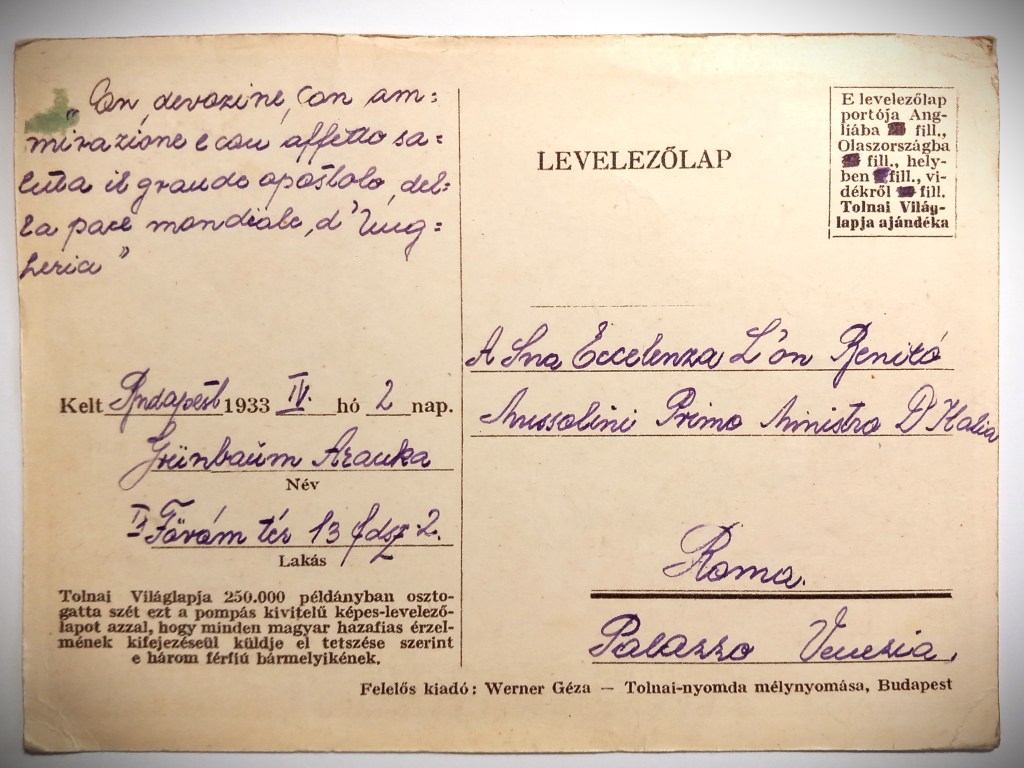
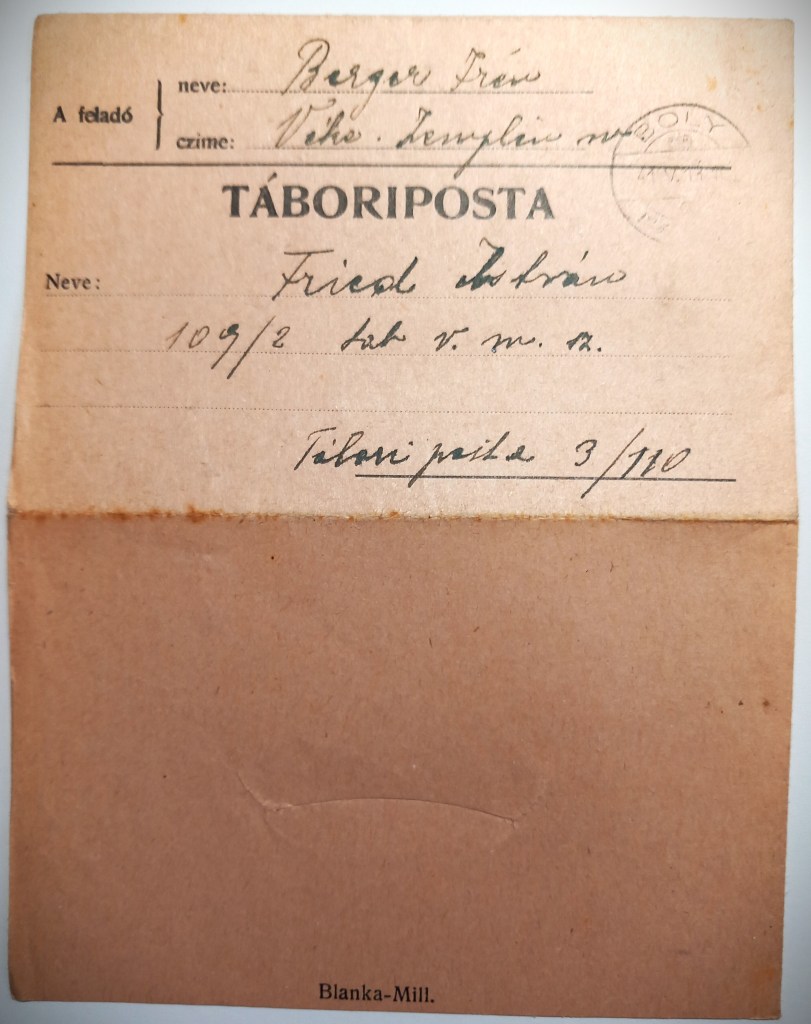
Father was taken away very early for labour service, and was called up again and again for many years. He worked on the Eastern front in the Carpathians as well as in the quarry at Fertőrákos towards the end of the war. Luckily, he was not taken prisoner of war by the Russians. On his fortunate return in 1945, I remember exactly, someone dressed in tattered military uniform appeared in our apartment, and I, a three-year-old child, hid behind the tiled stove. The stranger who entered was my father. He was reluctant to talk about his years of forced labour, and so I didn’t learn much about his hardships. I do remember however that he had been seriously ill with typhoid fever, but had escaped with a vaccination, which gave him a very high fever.

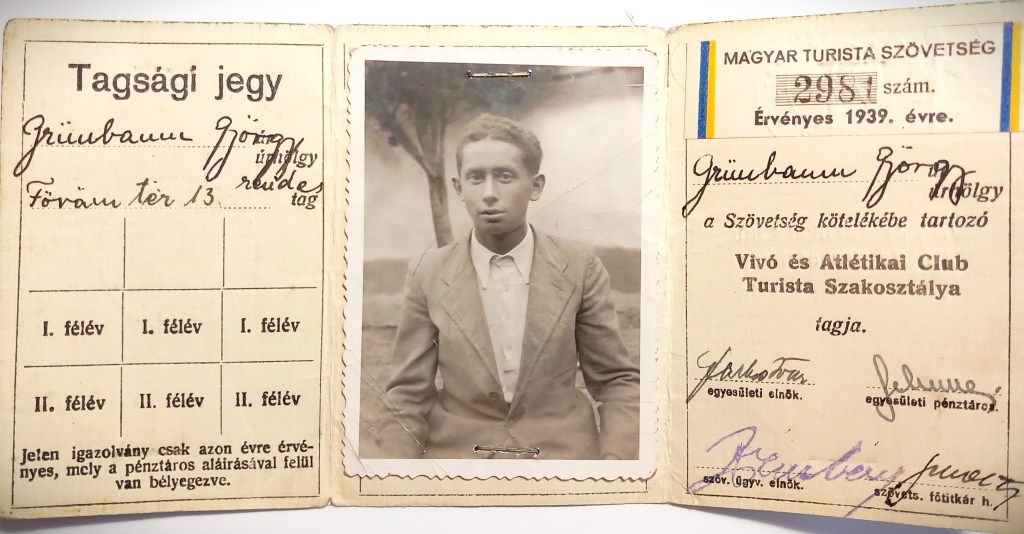
My mother’s brother, György Grünbaum, had contracted phlebitis while on labour service in Gomel (Belarus). Gyuri, who was seriously ill, was set on fire in a barrack and that’s how he died.

My paternal grandmother survived the horrors, and my paternal grandfather died a natural death before that.
In 1944, before the ghetto-time, when I was one and a half years old, my mother took me somewhere by tram, but by that time Jews were not allowed to travel by tram. The passengers simply pushed us off the vehicle.
Eventually, my mother and my maternal grandmother (deceased 1966; my maternal grandfather deceased 1927) and I were sent to the ghetto in Pest, in Rumbach Sebestyén Street, where we had a hard time. There was very little food, we were starving. I was a little girl who cried a lot, covered in lice I had my hair cut with a “zero” machine.
There was an anti-aircraft gun outside the entrance to the ghetto. It fired frequently with a huge bang, shattering the apartment buildings and breaking the windows, which the residents, including us, tried to replace with furniture pushed up against the windows. It is important to mention this because 1944 was one of the coldest winters of the century.
Towards the end of the siege, we were so tired that we didn’t even go down to the cellar during an air raid.
My mother, in order to survive, that is, to get food, went to work as a cleaning lady at the Astoria Hotel, which was Gestapo headquarters after the German invasion.
But fortunately, the deportation did not reach us. The Pest ghetto was liberated by the Russians early in 1945. I have nothing bad to say about the Russian soldiers. They loved and protected the children very much; and even gave me chocolate.
After liberation, life started again. What did it mean for you?
So, Father came home and the family was reunited. We continued to live in Budapest. My brother Laci was born in 1946.
I went to the JOINT kindergarten in Páva Street, where we were also educated in addition to the daily care. We were also taken to Mount Sváb for a week to improve our physical condition. Chocolate and cod liver oil was often distributed there, the latter not becoming my favourite.
I started going to the primary school on Mester Street.
Father had a hard time finding work. He ended up working at a coal and firewood storing facility called TÜZÉP as a “timber bundler”. I remember this because it was listed like that as his occupation in a school questionnaire. He joined the Communist Party. In 1950, he was appointed manager of the Győr TÜZÉP plant. At that time the family relocated to Győr.
I continued my primary schooling in Győr, then I went to the Kazinczy Ferenc Highschool and graduated there in 1960. To my best recollection the teachers at the gymnasium were partly ‘de-robed’ nuns who taught to a high standard.

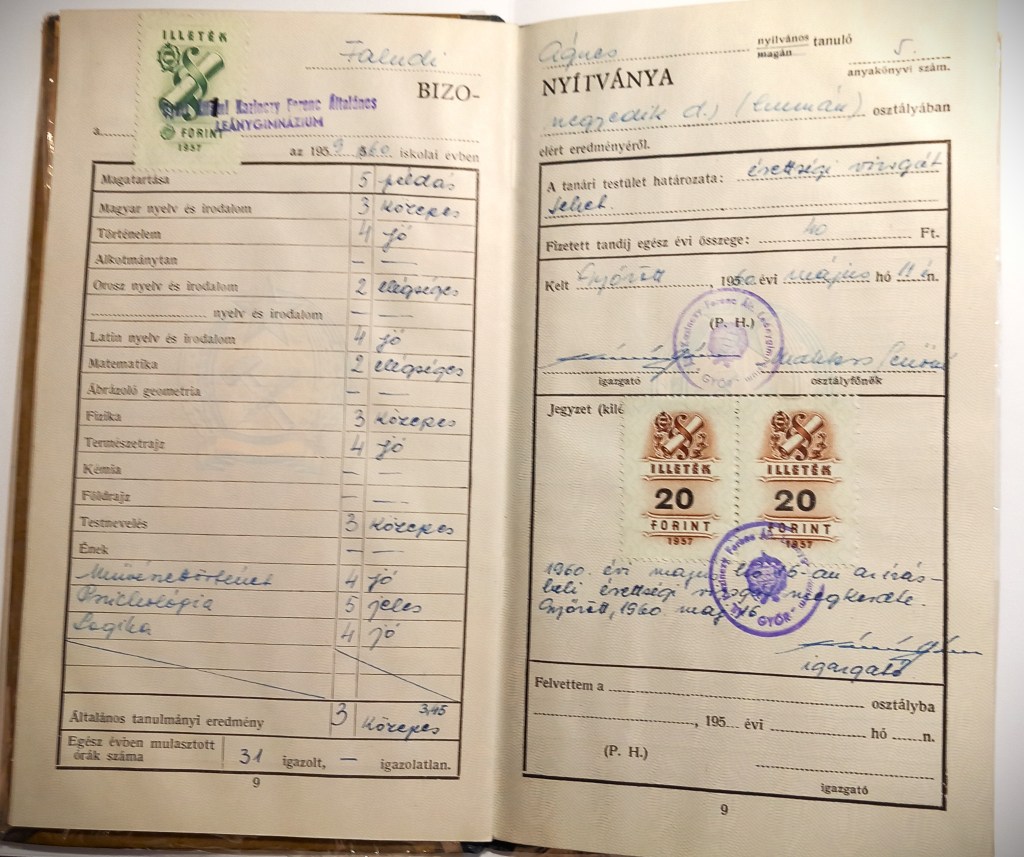
Where did you start working? How did your family life evolve?
I became an assistant in a Győr pharmacy, and then, while working, I attended a specialist assistant course in Sopron and stayed loyal to pharmacy work all the time.

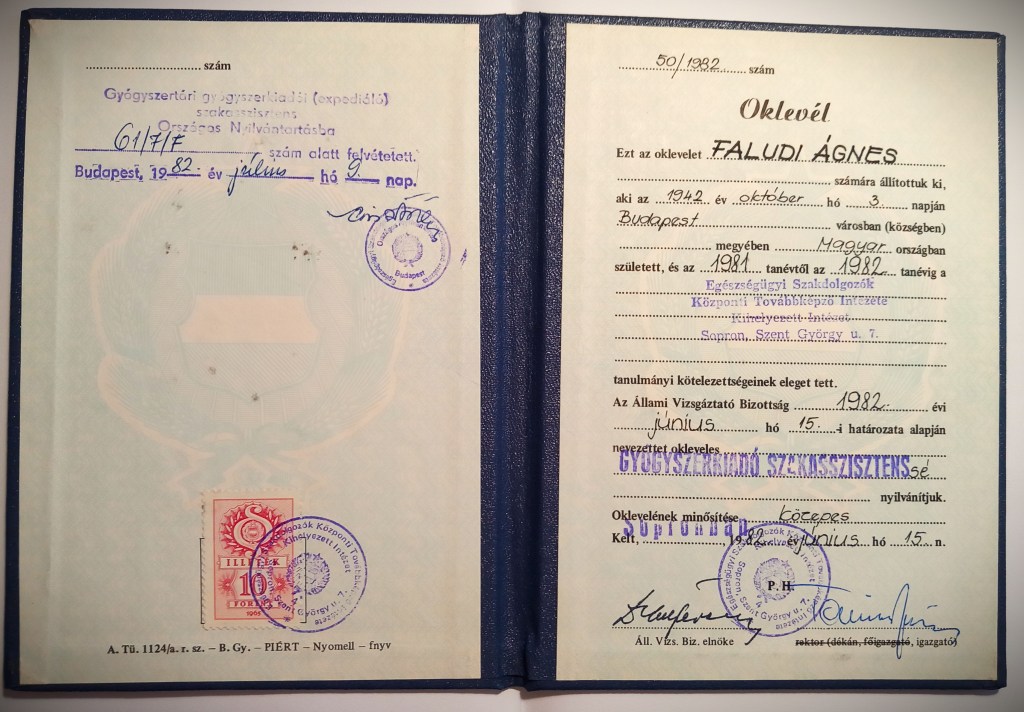
I got married in 1966, but my marriage failed and I divorced in 1972. Later, despite being in a partnership for 30 years, I never wanted to remarry because of the bitter initial experience.
In the 1960s, my brother Laci studied electrical engineering at the Bánki Donát Technical College in Budapest, and later graduated as an engineer in Pécs. My parents moved back to Budapest in 1974. A year later, in 1975, I followed the family, and our 25-year presence in Győr came to an end.


My father died in 1978. We moved my widowed mother into the house where I still live today. Mother left us in 1993. My brother Laci passed away in 2019 from cancer, which has plagued the male members of our family for generations, leaving me essentially alone. I have had irregular contacts with Laci’s sons, my nephews, ever since.
In Budapest, I worked in a pharmacy on Nagyvárad Square, and for a while I was “lured” to one of the Béres pharmacies, but from there I went back to Nagyvárad Square where I retired from in 1997 at the age of fifty-five, but immediately resumed a 6-hour-a-day job in the same pharmacy, which I gave up in 2010 at the age of sixty-eight.
Have you retained your Jewish identity?
Many elements of it yes, but not in the orthodox sense.
My mother lived a very religious life all her life, strictly adhering to her family’s orthodox and kosher traditions. In ghetto times, she neither asked for nor accepted meat from frozen horses, since the horse is a hoofed animal, though there was almost no other meat available at the time.
I vividly remember that during his visits to Győr, the learned rabbi and professor Sándor Scheiber often came to my parents’ house to put on the traditional rabbinical garb before synagogue events and even to eat, so much did he trust my mother’s kosher kitchen. While getting dressed, he used to jokingly say, “my country for a clothes brush!”
Incidentally, in the 70s and 80s, I regularly attended Professor Scheiber’s famous lectures and events for young people after Friday night prayer in the József Kőrút building of the Budapest Rabbinical Seminary. Contemporary Hungarian literature was his favourite subject, and his thoughts were always a great pleasure to listen to.
Even today I light the Hanukkah candles, pray with my eyes closed and my long deceased mother, father and brother are standing beside me again.
Interview and English translations by Péter Krausz
Photos of original family documents by P. Krausz, kind courtesy of Ágnes Faludi